

Beck Hall On Coming Back to Yourself

After cancer changed the direction of her life, Beck Hall found her way to yin, breathwork, cacao and sound. We spoke with the facilitator about learning to listen to yourself, what people are really looking for in wellness spaces, the responsibility that comes with holding space - and why not every experience needs to be profound.
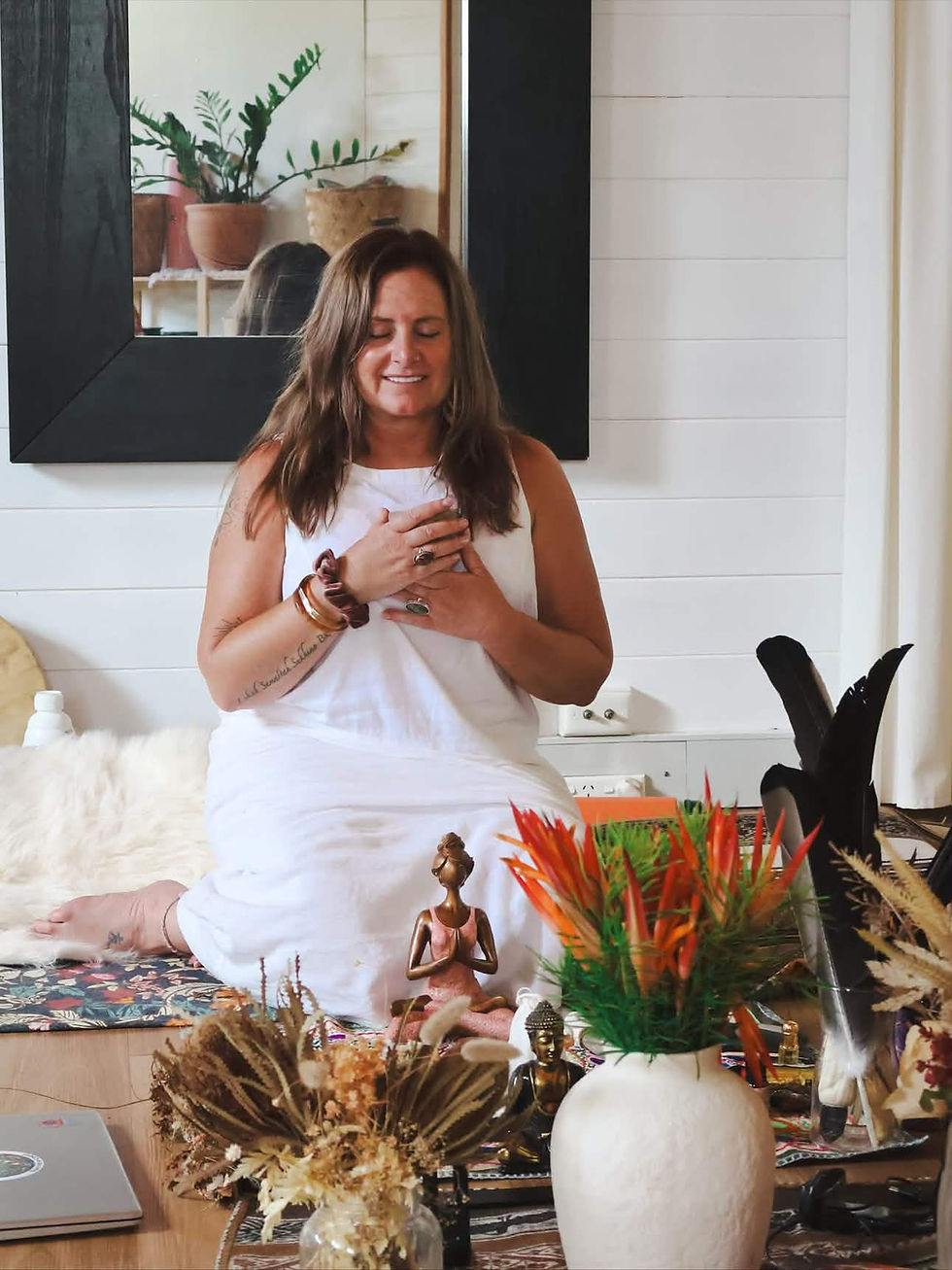
There are some experiences that change the direction of a life.
For Beck Hall, cancer was one of them.
Going through it shifted the way she thought about what mattered, where she put her energy and how she wanted to spend her time. What followed was a period of coming back to herself - and an exploration of breathwork, yin, meditation, cacao and sound that would eventually grow from personal practice into the work she now shares with others.
Today, Beck’s work moves between yoga, breathwork, cacao, sound, ceremonies, retreats and facilitator trainings. But beneath the different practices sits something much simpler: connection - to ourselves, our bodies and each other.
We sat down with Beck to talk about the experiences that brought her here, what years of holding space have taught her, and how her own understanding of wellness has changed along the way.
On finding her way here
Take us back to the beginning. How did you first find your way into this work?
My journey into this work began after cancer. Going through something like that changes the way you look at your life - what matters, where you put your energy, and how you want to spend the time you have.
It opened a chapter of coming back to myself, learning to listen to my body and exploring practices that helped me feel more connected and supported. Breathwork, yin, meditation, cacao and sound became part of that journey.
Over time, that personal exploration grew into a desire to share these practices with others. I wanted to create spaces where people could slow down, feel supported and reconnect with themselves. Cancer was a turning point for me. It changed my direction and brought me closer to the work I now feel so deeply called to share.
Before you began holding space for other people, what did these practices give you personally?
These practices gave me time to slow down and hear myself. To step away from the busyness and notice how I was actually feeling.
Yin taught me to be more patient with myself and feel comfortable in stillness. Breathwork helped me express feelings I sometimes struggled to put into words, and cacao gave me a ritual of connection - with myself and with others. The biggest shift was learning that I didn’t always need to push through. I could pause, listen and give myself what I needed. That’s something I carry into the spaces I now hold for others.
“The biggest shift was learning that I didn’t always need to push through.”

On coming back to yourself
The idea of “coming back to yourself” seems to sit at the heart of your work. What does that actually mean to you?
For me, coming back to yourself means getting quiet enough to recognise what you feel, what you need and what matters to you. Trusting your own voice and allowing it to guide the choices you make.
I know I’ve moved away from myself when I’m saying yes when I mean no, filling every spare moment, or giving so much that there’s very little left for me. I start making decisions around other people’s expectations and lose touch with my own.
Coming back can be as simple as taking a breath, spending time in nature, resting or being honest about something I’ve been avoiding. Sometimes it means making a bigger, uncomfortable change. For me, it’s about listening to myself and following through on what I hear.
You’ve spent years facilitating ceremonies, breathwork, retreats and trainings. What are you noticing people arriving with at the moment?
I am noticing people arriving tired, with a lot on their minds and very little time for themselves. Many are carrying responsibilities, uncertainty or changes they haven’t had the space to process. Sometimes they can’t quite name what they need - they just know they need a moment to breathe.
I think we’re craving connection, rest and a sense of belonging. Somewhere we can be honest about how we’re feeling, without needing to hold everything together or explain ourselves.
Often, what people value most is being welcomed, being listened to and having time to simply receive. There’s something powerful about sharing a space and realising you’re not the only one feeling this way.
On what holding space really asks of you
What have the people you’ve facilitated taught you about healing that training alone couldn’t?
They’ve taught me how different this journey is for every person, and how much can be missed when we assume we know what someone needs.
Training gives you a foundation, but being with people teaches you to listen, adapt and respect their pace. Something that feels supportive for one person might feel overwhelming for another. Sometimes the most valuable thing I can do is give someone time and honour their choice.
They’ve also taught me that meaningful shifts can be quiet - a person feeling comfortable enough to rest, asking for support or recognising a boundary. Those moments have deepened my respect for people’s own wisdom and reminded me to trust their experience rather than measure it against my expectations.
“Holding space” is a phrase we hear a lot in wellness. What does creating a genuinely safe and grounded space look like to you?
For me, it begins before anyone arrives — with thoughtful preparation, clear communication and understanding the needs of the people joining us. It also means knowing my own capacity and the limits of what I can offer.
Once we’re together, I want people to know they have choices. They can ask questions, change their mind, rest or step away. There’s no pressure to share something personal or have a particular experience, and I ask permission before offering touch or hands-on support.
I can’t assume everyone will feel safe just because I’ve created a beautiful space. That takes listening, clear boundaries and responding with care. Being grounded means staying present and steady, respecting each person’s pace and knowing when additional support is needed.
“I can’t assume everyone will feel safe just because I’ve created a beautiful space.”

On cacao, ritual + responsibility
Cacao has become a significant part of your work. How has your relationship with it changed over time?
My relationship with cacao began through my own practice, taking time to sit, slow down and connect with how I was feeling. I loved the simple ritual of preparing a cup and giving myself that time. It gradually became something I wanted to share with others.
Over time, my understanding has grown beyond my personal experience. I’ve become more aware of the importance of its origins, the people who grow and prepare it, and the cultural traditions connected to it. That has brought a deeper sense of respect and responsibility to how I source and share cacao.
Today, it’s woven into both my everyday life and my work. Sometimes it’s a quiet cup at home; sometimes it brings a room of people together. That opportunity to pause and connect is what I keep returning to.
As cacao ceremonies become increasingly visible in mainstream wellness, what do you wish more people understood about working with cacao?
I wish more people understood that working with cacao carries a responsibility to learn about its origins, the communities and traditions connected to it, and how it reaches our cup. For me, that means being thoughtful about sourcing and honest about my own training and what I’m sharing.
I also think we need to leave room for people to have their own experience. There doesn’t need to be a big emotional release or a profound moment. Sometimes it’s simply enjoying a warm cup, feeling present and connecting with the people around you.
As a facilitator, I care about creating a welcoming space, respecting people’s choices and sharing cacao with care, without making promises about what someone will feel.
On rethinking wellness
Has doing this work changed any of your own beliefs about wellness, spirituality or healing?
We are not there to heal anyone, but to empower them to connect to their own healing abilities.
I think I once put pressure on myself to always feel balanced and positive, especially because I was sharing these practices with others. Over time, I’ve given myself more permission to be human - to have difficult days, need support and change my mind.
I see wellness now as being honest about what I need and making choices that support that. Sometimes that’s yoga or meditation. Other times it’s sleep, a conversation with someone I trust, or stepping back from something that’s taking too much.
That has changed how I hold space, too. I want people to feel they can arrive exactly as they are. We can be going through a hard season and still have a meaningful connection to ourselves and our practice.
For someone curious about breathwork, cacao or ceremony but overwhelmed by the wellness world, where would you suggest they begin?
You don’t need to know all the language, have experience or consider yourself spiritual to begin. Curiosity is enough, and you’re allowed to take your time.
Start with something that interests you and ask questions. What does the session involve? What experience does the facilitator have? Can you pause or sit something out? A good facilitator will welcome those questions and help you understand whether the practice is suitable for you.
You don’t have to try everything or have a profound experience. You can begin with a gentle class or a simple ritual at home. Give yourself permission to explore, notice how you feel and choose what supports you.

And finally…
Away from facilitating and holding space for everyone else, what brings you back to yourself?
Time in nature, being with my beautiful dog, Mabel, and having quiet moments with no one needing anything from me. Yin and just being quiet within my own energy restores my energy so much.
Being with people I love brings me back to myself, too - having a laugh and enjoying the ordinary parts of life. I also love water, so being immersed in water brings me back to balance always.
I’m learning to make room for these things before I’m exhausted. Giving myself time to receive and rest matters just as much as the care I offer others.
What’s next
Beck is currently finishing her book, BELIEVE, a personal project exploring her story and the experiences that have shaped her. She’s also considering the next evolution of Spirit Cacao and refining her facilitator trainings, with more space for practice, integration and support.
Find Beck
Follow Beck’s work, upcoming offerings and the next chapter of Spirit Cacao.
Beck Hall — Instagram Spirit Cacao — Website · Instagram Events + Retreats — Explore upcoming offerings Facilitator Trainings — Learn more


